Snake Plant Care Guide for Beginners: Thrive With Neglect
Introduction
If you’ve ever managed to kill a cactus, don’t worry—you’re exactly the kind of person the snake plant was made for. The snake plant is one of the most forgiving houseplants you can own, thriving in conditions that would make most other plants quietly give up. Whether your space has low light, inconsistent watering, or just general neglect, this plant adapts and keeps going.
In this guide, you’ll learn exactly why snake plants are so resilient, how to care for them properly (without overthinking it), and how to avoid the few mistakes that can actually harm them. We’ll also cover ideal setups, real-world placement tips, and simple routines you can follow even if you’re busy or forgetful. By the end, you’ll not only keep your snake plant alive—you’ll have it quietly thriving in the background like a low-effort legend.
Why Snake Plants Are Nearly Indestructible
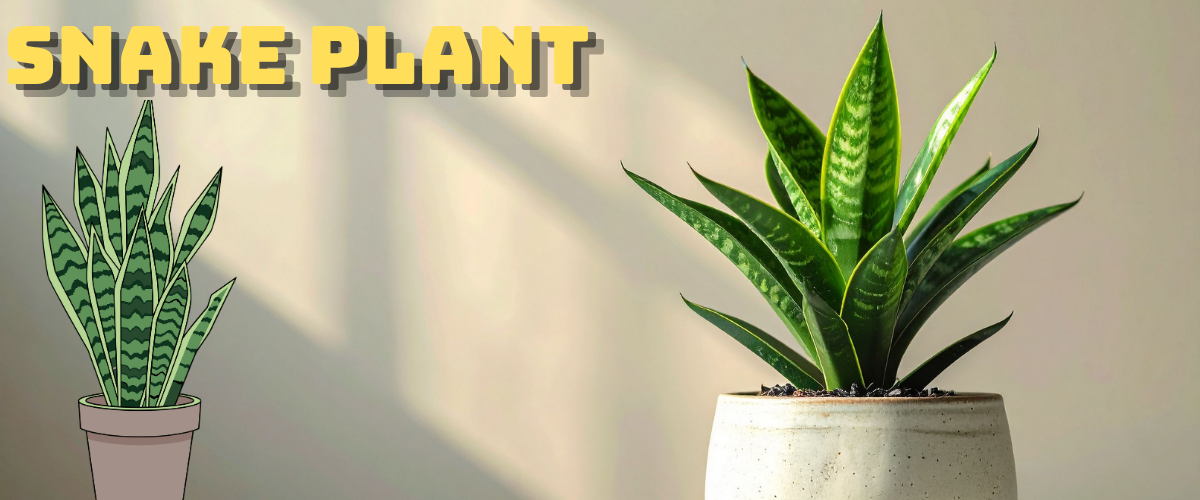
Snake plants (Sansevieria) are built for survival. Their thick, upright leaves store water, meaning they can go weeks—sometimes even months—without needing a drink. This makes them perfect for people who forget to water or travel frequently.
They’re also incredibly adaptable when it comes to light. While most plants demand bright, indirect sunlight, snake plants can survive in low-light corners, offices, or even windowless rooms (though they grow slower there).
Real-world example:
Put a snake plant in a dim office corner and forget about it for two weeks—it’ll still look exactly the same. Try that with a fern and you’ll come back to a funeral.
Best Light and Placement for Maximum Growth
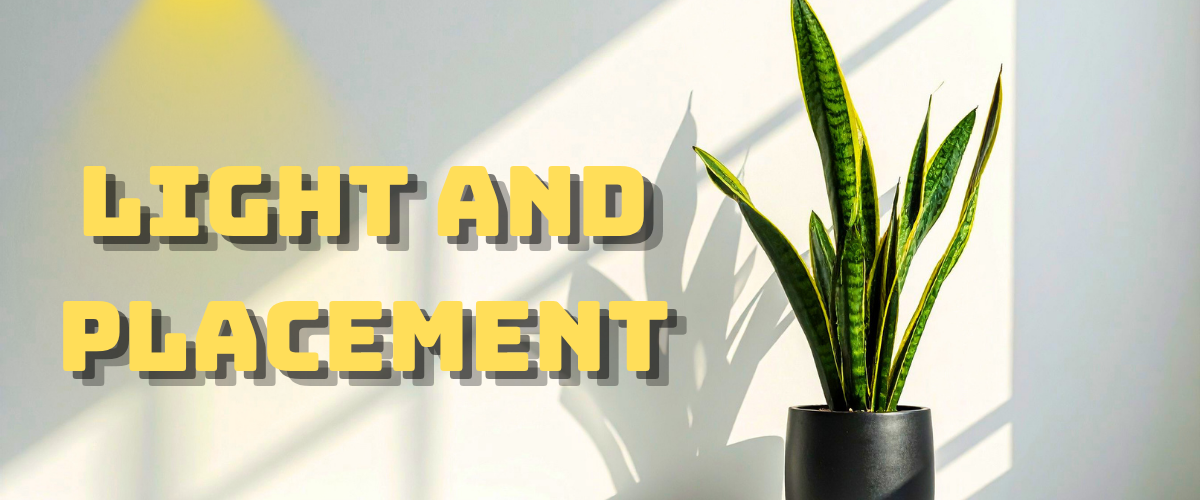
Snake plants tolerate low light, but if you actually want them to grow, give them bright, indirect light.
Best placements:
Near a window with filtered sunlight
Bedroom corners with ambient light
Office desks with overhead lighting
Avoid:
Harsh, direct sunlight (can scorch leaves)
Completely dark rooms long-term
Pro Tip:
If your snake plant isn’t growing at all, it’s not dead—it’s just surviving. Move it closer to light and you’ll see new shoots.
Watering the Right Way (Most People Mess This Up)
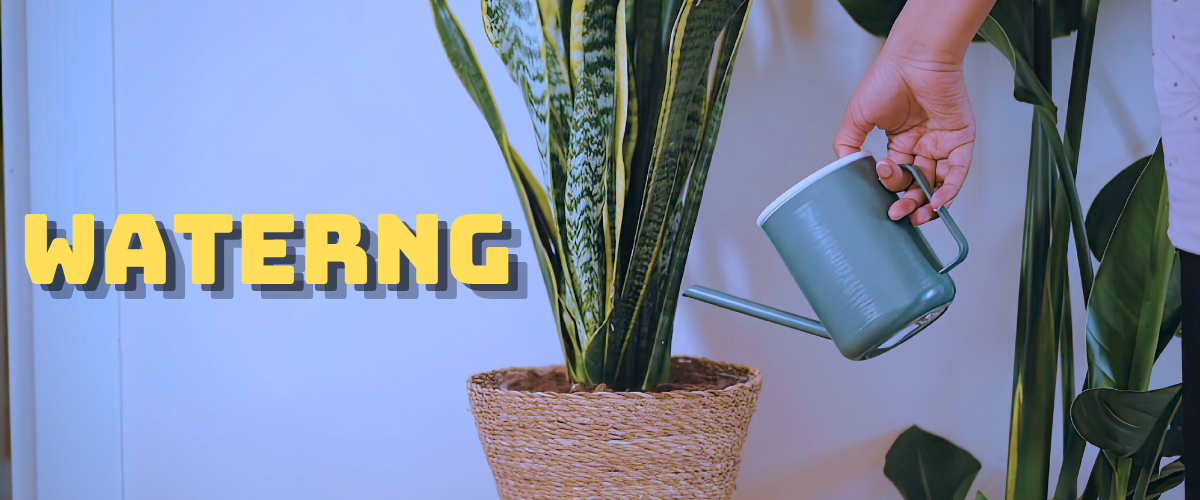
This is where people screw up. Snake plants don’t die from neglect—they die from kindness.
Correct watering method:
Wait until soil is completely dry
Water deeply (until excess drains out)
Leave it alone again
Typical schedule:
Summer: every 2–4 weeks
Winter: every 4–6+ weeks
Common Mistake:
Watering “just in case.” That’s how you rot the roots.
Soil, Pots, and Setup (Keep It Simple)
Snake plants don’t need fancy setups, but they do need drainage.
Ideal setup:
Pot with drainage holes
Well-draining soil (cactus mix works great)
Avoid:
Pots without drainage
Dense, water-retaining soil
Best Setup Scenario:
A simple terracotta pot + cactus mix + occasional watering = basically zero maintenance.
Common Problems and How to Fix Them
Even though snake plants are tough, a few issues can pop up.
Yellow leaves:
Cause: overwatering
Fix: stop watering, let soil dry completely
Soft/mushy base:
Cause: root rot
Fix: remove affected parts, repot in dry soil
No growth:
Cause: low light
Fix: move to brighter area
Pro Tips for Effortless Growth
Rotate occasionally for even growth
Wipe leaves to remove dust (helps photosynthesis)
Don’t repot often—they like being slightly root-bound
Conclusion
Snake plants are the ultimate “set it and forget it” houseplant. They tolerate neglect, adapt to almost any environment, and require minimal effort to stay alive. The key is actually doing less—watering sparingly, avoiding over-care, and letting the plant do its thing.
If you place it in decent light and resist the urge to constantly check on it, your snake plant will quietly thrive for years. It’s one of the easiest ways to add greenery to your space without turning plant care into a chore.
Art Credit:
@truecreatives @robyun @rezual-karim-siams-images @sergiu-rusus-images @iridenta-florescus-images @nadhifcreative