Jade Plant Care Guide: Long-Living Succulent for Beginners
Introduction
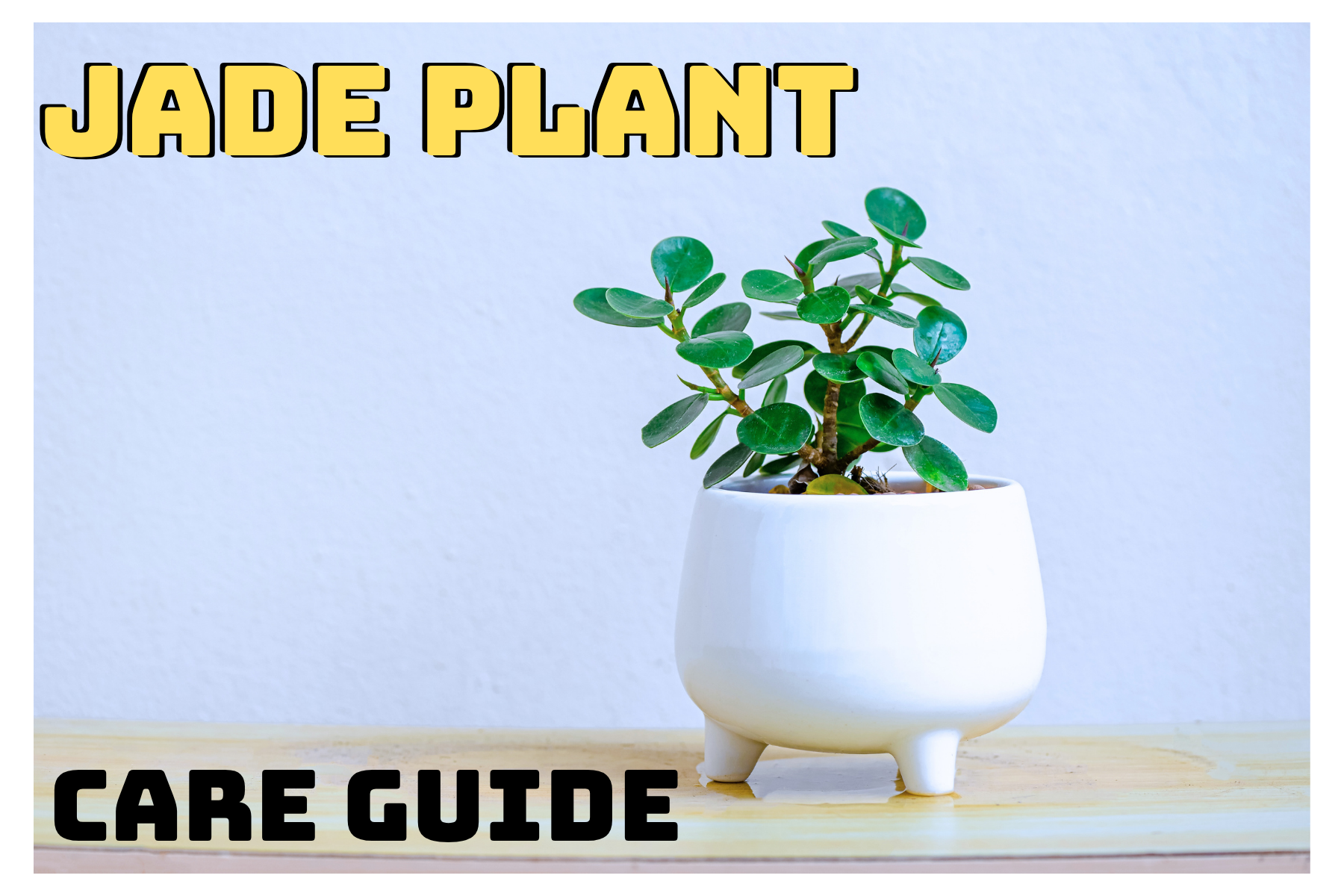
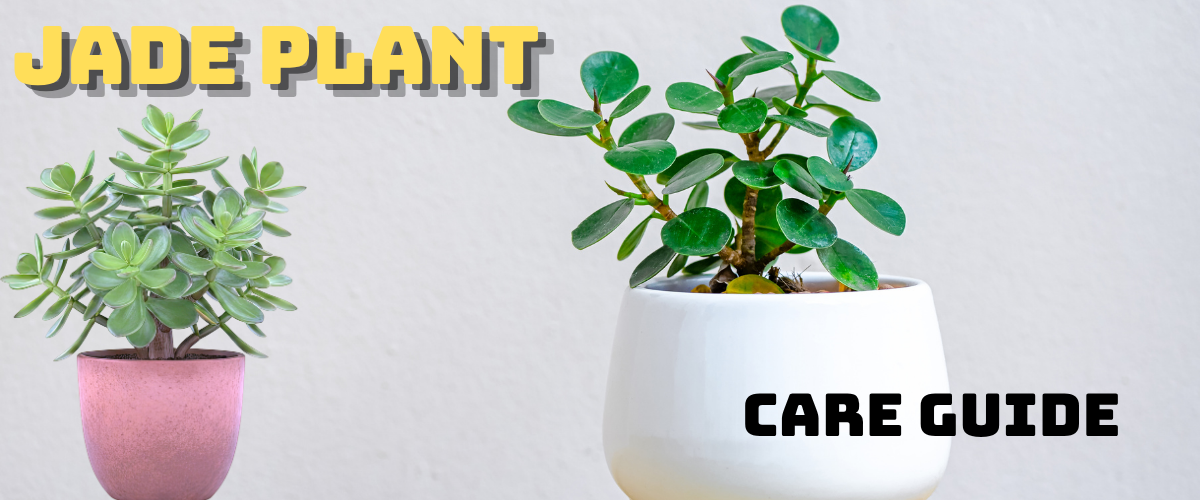
The jade plant is one of the most popular succulents for a reason—it’s simple, long-living, and surprisingly resilient. Often associated with “good luck” and prosperity, jade plants are common in homes and offices because they require very little maintenance while still looking structured and tree-like.
Unlike fast-growing plants, jade plants grow slowly and steadily, which makes them perfect for people who don’t want constant pruning or repotting. They thrive on neglect, as long as they get enough light and aren’t overwatered.
In this guide, you’ll learn how to care for jade plants properly, how to avoid the biggest mistake (overwatering), and how to shape them into healthy, long-lasting indoor plants.
Why Jade Plants Are So Popular
Jade plants combine durability with aesthetics.
Key traits:
Thick leaves store water
Slow, controlled growth
Long lifespan (can live decades)
Real-world example:
A jade plant can sit in the same pot for years and still look healthy with minimal care.
Light Requirements for Strong Growth
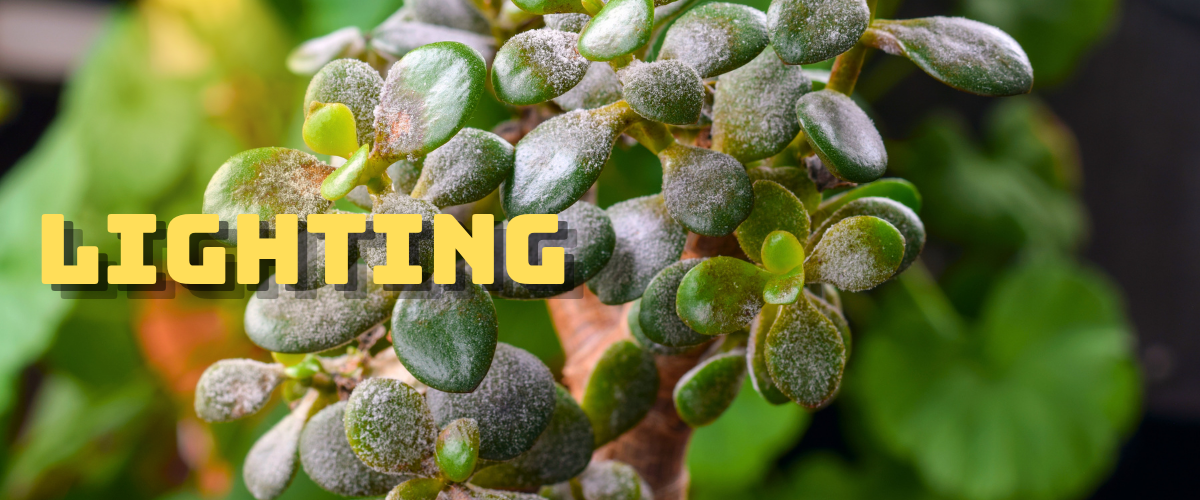
Jade plants love light—more than most succulents.
Best placement:
Bright, sunny windows
South-facing rooms
Avoid:
Deep shade (leads to weak, leggy growth)
Pro Tip:
If stems stretch out, it’s begging for more light.
Watering Routine (Less Is Always Better)
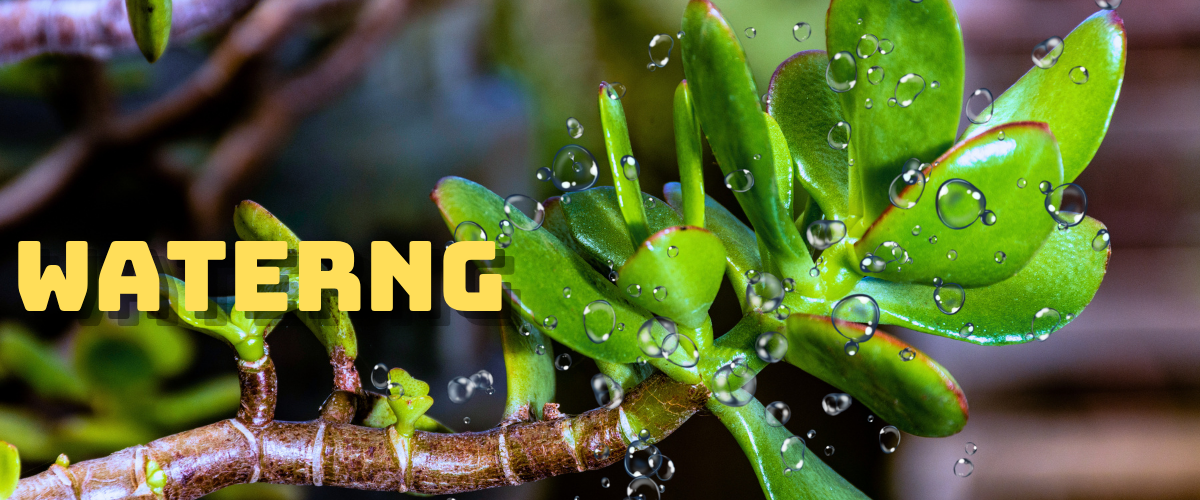
Jade plants store water in their leaves, so they don’t need frequent watering.
Correct method:
Wait until soil is completely dry
Water deeply
Let excess drain fully
Frequency:
Every 2–3 weeks (less in winter)
Common mistake:
Overwatering → leads to leaf drop and root rot
Soil and Pot Setup
Use cactus/succulent soil
Always use drainage holes
Avoid heavy, moisture-retaining mixes
How to Shape and Maintain Growth
Jade plants can be shaped into small indoor “trees.”
Steps for shaping:
Trim leggy stems
Encourage branching by pruning tips
Rotate pot for even growth
Common Problems and Fixes
Leaves falling off:
Cause: too much water
Fix: reduce watering immediately
Leggy growth:
Cause: insufficient light
Fix: move to brighter area
Conclusion
Jade plants are ideal for anyone who wants a long-term, low-effort indoor plant with a clean, structured look. Once you understand their main rule—don’t overwater them—they basically take care of themselves.
They grow slowly, live long, and bring a steady, calming presence to any space.
Art Credit:
@jrdesign-team @jrdesign-team @marboot @julieks-images @rezual-karim-siams-images @aleezadesign @gettyimages @iridenta-florescus-images