Spider Plant Care: Grow Fast and Multiply Easily
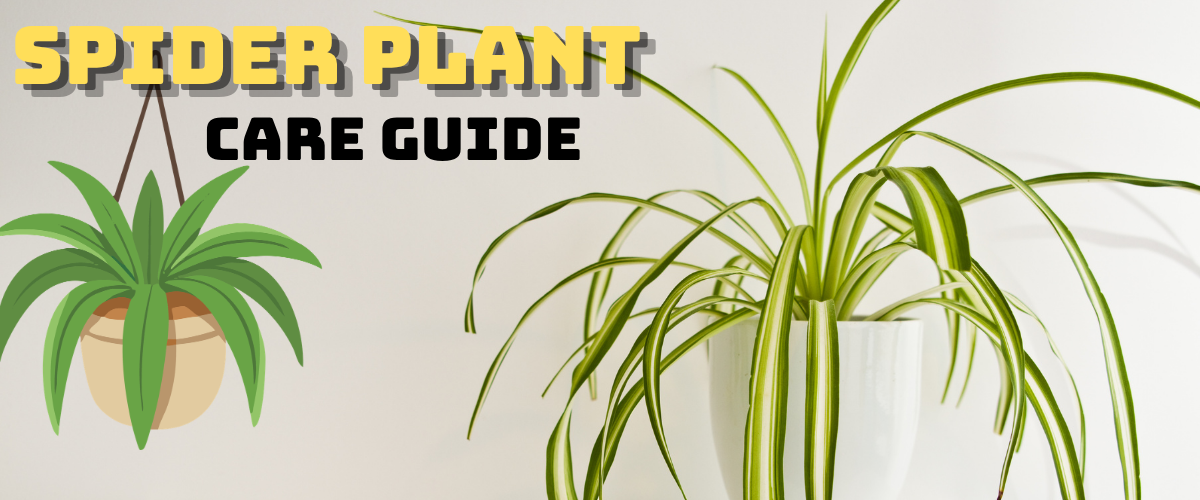
Introduction
Spider plants are one of the most satisfying houseplants you can grow. Not only are they easy to care for, but they also produce little “baby” plants that you can propagate and multiply—basically giving you free plants over time.
They’re forgiving, adaptable, and grow relatively quickly compared to other low-maintenance options. Whether you place them near a window or in moderate indoor light, they’ll keep pushing out new growth with minimal effort.
In this guide, you’ll learn how to care for spider plants properly, encourage faster growth, and make the most of their unique ability to reproduce.
Why Spider Plants Are Beginner-Friendly
Spider plants are resilient and adaptable.
Key traits:
Tolerate different light levels
Recover quickly from mistakes
Grow fast and visibly
Real-world example:
Place one near a window, and within months, you’ll see multiple offshoots forming.
Light and Placement for Healthy Growth

Spider plants prefer bright, indirect light, but they’re flexible.
Best placement:
Near a window with filtered light
Hanging baskets or shelves
Can tolerate:
Medium to low light (slower growth)
Avoid:
Direct sunlight (can burn leaves)
Watering and Care Routine
Spider plants like slightly moist soil—but not soggy.
Watering guide:
Water when top inch of soil is dry
Ensure good drainage
Signs of issues:
Brown tips → possible overwatering or low humidity
Yellow leaves → too much water
How to Propagate Spider Plant Babies
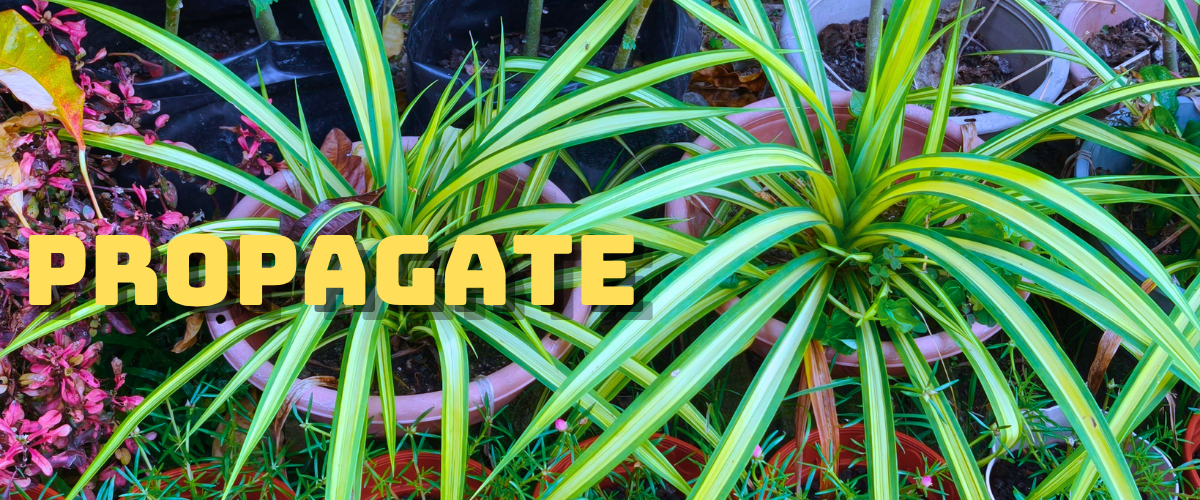
This is the fun part.
Step-by-step:
Identify offshoot (“baby”)
Cut or leave attached
Place in water or soil
Wait for roots to establish
Pro Tip:
Leave the baby attached while rooting for faster success.
Common Mistakes to Avoid
Overwatering
Ignoring drainage
Too much direct sun
Best Setup for Maximum Growth
Hanging pot for cascading effect
Bright, indirect light
Occasional feeding during growing season
Conclusion
Spider plants are easy, rewarding, and surprisingly productive. With minimal care, they not only grow but multiply, giving you endless opportunities to expand your indoor garden.
If you want a plant that gives something back—literally—this is it.
Art Credit:
@panacreative @gettyimages @nikastock @rezual-karim-siams-images @bielousovaart @pexels @designnfmr